How to Find Scholarship Deadlines Fast in 2026
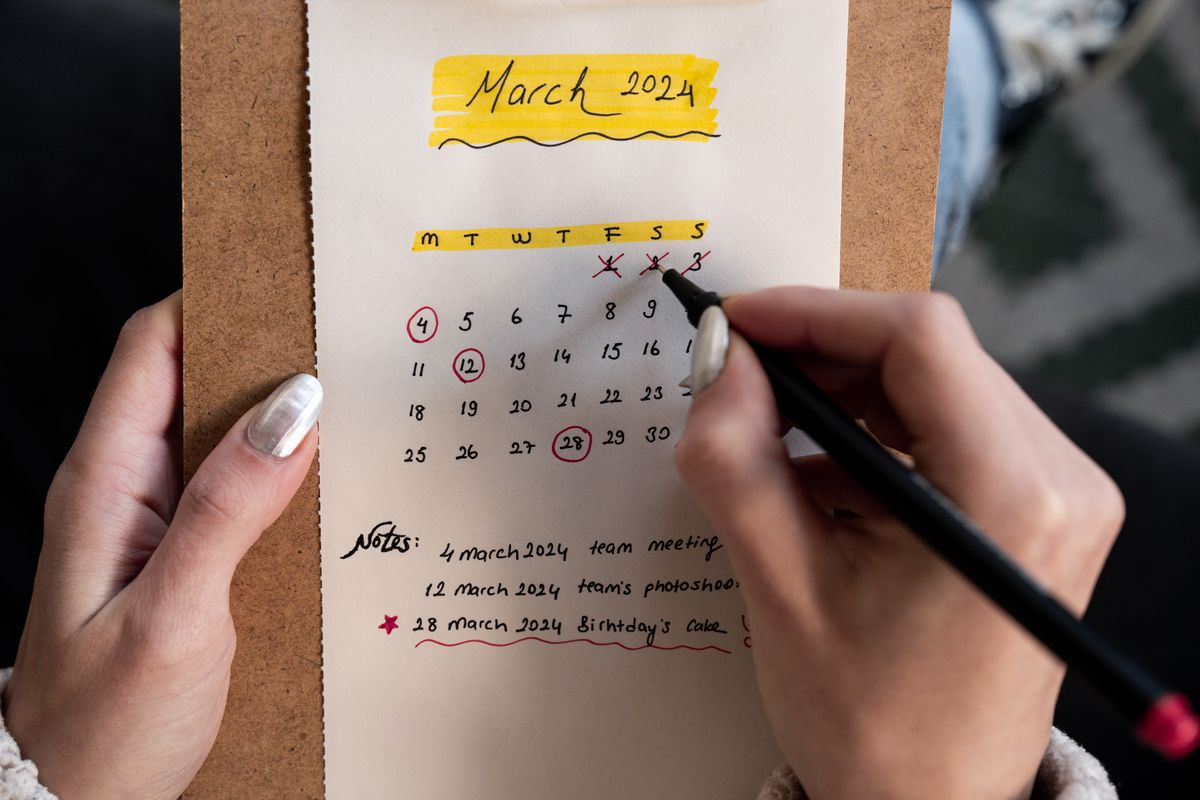
On October 6, 2026, at 11:00 UTC, the Chevening Scholarship portal closes for its 2027/28 cycle, and an unfinished essay will not matter once that countdown hits zero. Chevening opened applications on August 4, 2026, for roughly 1,500 places worldwide, and thousands of qualified candidates will not make the cut simply because they started tracking the deadline too late. This is not a program specific guide. It is about how to find scholarship deadlines fast, before a closing date finds you first. You will get a working system for tracking multiple deadlines across scholarships, fellowships, and grants at once, a look at how opportunitycrack.com’s own categories can shortcut your search, and five habits that separate applicants who submit on time from the ones emailing program officers who will not read excuses.
Table of contents
- Why scholarship deadlines are stricter than they look
- How opportunitycrack.com sorts deadlines by category
- Build a personal deadline system in four steps
- Five habits of applicants who never miss a deadline
- Frequently asked questions about finding scholarship deadlines fast
Why scholarship deadlines are stricter than they look
Most applicants assume a deadline has some flex built in: a grace period, a sympathetic reviewer, an appeal route for late submissions. In practice, almost none of the major scholarship and fellowship programs work that way. Selection committees receive so many complete, on time applications that a late one creates a fairness problem the program has no incentive to solve by making an exception for you.
One of the clearest illustrations of this dates back to 2004, when a batch of Fulbright applicants in the United States had their submissions rejected after a courier failed to collect their documents from a drop off point before the cutoff. The delay was not the applicants’ fault, and the program still would not accept the paperwork. That standard has held up across nearly every major funder since. DAAD states plainly on its own deadline pages that its portal closes at 24:00 CET with zero exceptions for late submissions, regardless of the reason. Chevening’s official application timeline confirms its online system stops accepting new submissions the instant its clock runs out, not at the end of the day the deadline falls on.
This matters for how you plan. A deadline is not the day you should finish your application. It is the day the system stops caring whether you have finished. The realistic target date for any scholarship, fellowship, or grant you are serious about is five to seven days before the official cutoff, which gives you a buffer for a slow reference letter, a portal outage, or a document that needs reformatting. Treat the published deadline as the point of no return, not the plan.
How opportunitycrack.com sorts deadlines by category
Searching “scholarship deadlines 2026” on Google mixes fully funded scholarships with unrelated grants, expired postings, and pages recycled from three years ago. A faster method is to search by opportunity type instead of by date, since deadlines cluster predictably within each category.
On opportunitycrack.com, every opportunity is filed under one of eight categories: Scholarships, Fellowships, Grants, Career, Jobs, Immigration, Internships, and Volunteering. Each category page lists live opportunities in that type only, so a postgraduate scholarship hunter never has to scroll past internship listings to find what matters. Bookmarking the specific category you are chasing, rather than the site’s homepage, cuts search time considerably because the page only refreshes with programs that actually fit your goal. That single habit is how to find scholarship deadlines fast without wasting time on outdated listings.
Deadlines also cluster by season more than most applicants realize. UK government funded postgraduate scholarships such as Chevening and the Commonwealth Scholarships typically open in August and September and close in October. German funded programs through DAAD spread their closing dates across mid October and November depending on the specific course or research area. Knowing this rhythm lets you predict when a category page is worth checking weekly instead of guessing.
Typical deadline windows by program type for the 2026/27 cycle:
| Program | Portal opens | Closes | Places available |
|---|---|---|---|
| Chevening Scholarship (UK) | August 4, 2026 | October 6, 2026 | About 1,500 |
| Commonwealth Master’s Scholarship (UK) | September 8, 2026 | Mid October 2026 | Varies by country |
| Commonwealth PhD Scholarship (UK) | September 8, 2026 | October 20, 2026 | Varies by country |
| DAAD Study and Research Scholarships (Germany) | Varies by program | October 15 to 31, 2026 | Varies by program |
Exact dates shift slightly year to year and by nominating country, so confirm the current cycle on each program’s official page before you build a calendar around it.
Build a personal deadline system in four steps
Most guides tell you to stay organized without saying how. Here is the actual four step system worth setting up this week.
Step one: create one master tracker, not several. Open a spreadsheet or a note with five columns: program name, category, portal opens, deadline, status. Every opportunity you are considering, whether you feel ready to apply or not, goes into this single sheet the moment you find it. Splitting deadlines across your phone notes, browser bookmarks, and memory is how strong candidates lose track of a program they were genuinely qualified for.
Step two: set two reminders per deadline, not one. The first should land three weeks before the closing date, timed for gathering documents and requesting reference letters. The second should land five days before the deadline, timed for final review and submission. A referee who agrees enthusiastically in September can still miss an October deadline if asked with only two weeks left, which is why our guide on how to ask for a recommendation letter includes an email template built to get faster replies.
Step three: follow the program’s official channel directly, not just aggregator sites. Programs like Chevening, Commonwealth, and DAAD post updates, extensions, and portal maintenance windows on their own websites first. A five minute check of the program’s official page once a week during application season catches changes before secondhand coverage does, and it is also the fastest way to confirm any deadline you found on a third party site, including this one.
Step four: build in a submission buffer of at least 48 hours before the real deadline, treated as a hard rule rather than a suggestion. Portals slow down or crash in the final hours before a major scholarship deadline because thousands of applicants submit at once. Treat your own personal deadline as two days earlier than the official one, and you remove the single most common and most avoidable cause of a missed application: technical failure at the worst possible moment. That one rule alone is often the difference between applicants who never miss a scholarship deadline and applicants who lose a strong application to a slow upload.
Once this tracker exists, keeping it current takes minutes a week, not hours. The setup is the only part that requires real effort. If your files keep ending up scattered across devices and folders, our guide on organizing your application documents covers a naming and storage system that solves exactly that, and if a program still expects a polished CV alongside everything else, our CV guide walks through building an ATS friendly version in a single afternoon.
opportunitycrack.com does not yet have a downloadable deadline tracker template published. It is on our list to build alongside the CV and recommendation letter templates already on the site. Until it is live, the four step structure above works just as well in any spreadsheet tool you already have open.
Five habits of applicants who never miss a deadline
They apply to the earliest realistic deadline first, not the most prestigious one
When several programs are open at once, students often work on the most famous scholarship first regardless of how close its deadline sits. Applicants who consistently submit on time flip that logic: they list every open program by closing date and work chronologically, not by prestige. A Commonwealth Scholarship closing in three weeks gets finished before a program closing in ten weeks, even if the second one pays more. This habit prevents the most common failure mode, which is running out of time on a smaller program while polishing a bigger one that still has weeks left.
They request reference letters before they need them, not after
Referees are consistently the slowest part of any application. Applicants who never miss a deadline request references the same week they add a program to their tracker, often before they have finished their own essays, so the referee has the maximum possible runway to respond.
They save every document in the exact format the portal asks for
Portals reject PDFs that were meant to be Word documents, transcripts scanned sideways, and file names with spaces or unusual characters far more often than applicants expect. Confirming file type, size limit, and naming convention a week ahead avoids a scramble to convert or rescan a document minutes before a cutoff that was misread as midnight instead of the actual closing hour.
They read the full call for applications once, closely, before starting anything
Skimming a summary on a listing site and starting to write is how applicants miss an eligibility clause buried on page four of the official call, such as a minimum number of work experience hours or a nationality restriction on a specific funding stream. A single careful read of the original document, not a secondhand summary, before writing a single word saves far more time than it costs.
They treat the deadline as the finish line for review, not for writing
Applicants who submit on time consistently plan to have a complete, submittable application ready two to three days before the actual deadline, leaving that window purely for review, formatting checks, and fixing the small errors that a rushed final read always misses. Writing straight through to the closing minute is one of the strongest predictors of a careless mistake in an otherwise strong application.
Frequently asked questions about finding scholarship deadlines fast
How early should I start looking for scholarship deadlines?
Start tracking a program the moment its call for applications opens, which for most major scholarships is two to three months before the closing date. This gives enough time to request references, prepare documents, and revise essays without rushing in the final week.
What is the fastest way to find scholarship deadlines without missing new ones?
Browsing by category, rather than searching broad terms, is how to find scholarship deadlines fast, since a dedicated Scholarships or Fellowships page only shows opportunities in that type instead of mixing them with unrelated postings. Checking one or two specific category pages weekly during application season catches new listings faster than a fresh search each time.
Do scholarship deadlines ever get extended?
Occasionally, but rarely, and almost never announced publicly in advance. A small number of programs extend a deadline after a technical outage affecting many applicants at once, but treating an extension as likely is a poor strategy. Plan for the published date to hold.
What time zone applies to an international scholarship deadline?
Always check the specific time zone stated on the official program page rather than assuming your own. Chevening and Commonwealth Scholarships both close in UK time, while DAAD deadlines run on Central European Time, and a miscalculated time difference of even one hour has closed portals on applicants before.
How can I tell if an urgent scholarship deadline is a scam rather than a real program?
A genuine program never asks for payment to secure a spot before a deadline, and a legitimate deadline is always listed on the funder’s own official website, not only on a third party page. If a listing creates artificial urgency around an unverifiable deadline, treat it as a warning sign; our guide on identifying fake scholarship websites walks through the exact checks to run before you hand over any information, so you never miss a scholarship deadline that turns out to be fabricated in the first place.
Should I submit my application on the same day as the deadline?
No. Submitting on the deadline day itself removes any buffer for a portal slowdown, a rejected file format, or a reference letter that arrives late. Applicants who never miss a deadline typically submit at least 48 hours ahead of the official cutoff.
Our editorial team cross checked every deadline and figure in this guide directly against the official Chevening, Commonwealth Scholarship Commission, and DAAD portals as of August 2026. Program dates shift slightly year to year and by nominating country, so confirm the exact cycle for any specific scholarship on the funder’s own site before finalizing your application calendar.
Finding scholarship deadlines fast is less about discovering some hidden calendar of programs and more about building one habit: tracking every opportunity in a single place the moment you find it, then working backward from its real deadline instead of forward from today. The applicants who consistently get funded are rarely the ones with the strongest single essay. They are the ones who never let a program close before they finished writing.
Before you start your next application, make sure your supporting documents are ready to go, and keep checking opportunitycrack.com’s category pages for what opens next this season. Bookmark this page and share it with a friend juggling the same deadlines.
You already know how to do the work. Build the tracker once, and you never miss a scholarship deadline you were actually qualified to win.